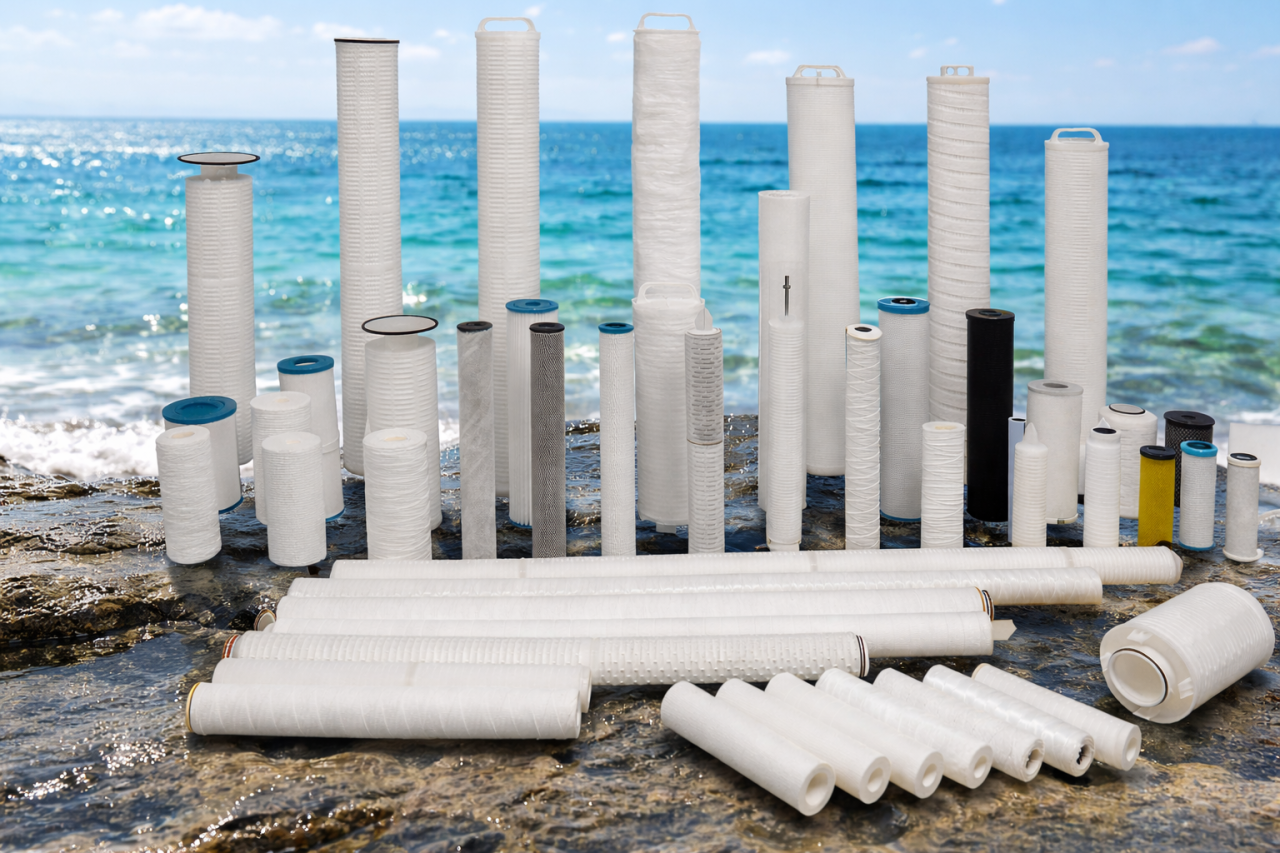
🔄 Cross-Reference Guide: Replacing Pall Ultipleat & Parker MegaFlow Series Without System Modification
In the world of High Flow filtration, two giants dominate the landscape: Pall (Ultipleat® High Flow) and Parker (MegaFlow™ / ParMax™).
Their housing designs are ubiquitous in Power Generation, RO Pre-treatment, and Oil & Gas.
But for many Plant Managers, these housings feel like "Golden Handcuffs." You feel locked into a single supply source, often facing:
- Long Lead Times: Waiting 12 weeks for consumables.
- Price Creep: Annual price increases because you have no alternative.
The most common question I get is: "Can I really switch to a replacement filter without cutting my pipes or modifying the vessel?"
The answer is Yes. But you must understand the End Cap Geometry.
Here is the veteran’s guide to cross-referencing these major series with absolute confidence.
1. The "Drop-In" Philosophy
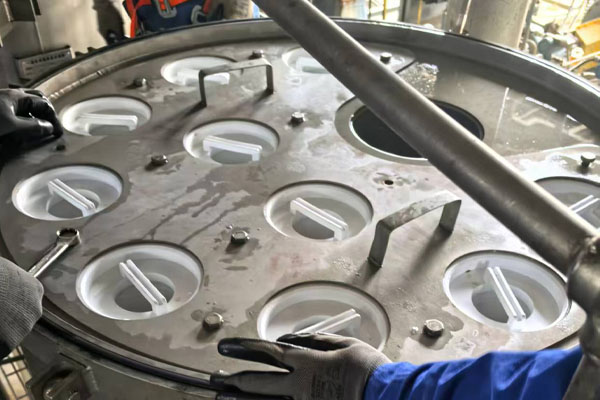
First, let’s be clear: A true replacement requires ZERO system modification.
- No welding.
- No changing the tubesheet.
- No new O-rings for the vessel.
If a supplier tells you to "modify the housing holder" to fit their filter, walk away. A professional replacement is engineered to fit the existing hardware interface with sub-millimeter precision.
2. Replacing Pall Ultipleat® High Flow (The "Crescent" Series)
This is one of the most distinctive filters on the market due to its "Laid-Over" (Crescent) pleat geometry.
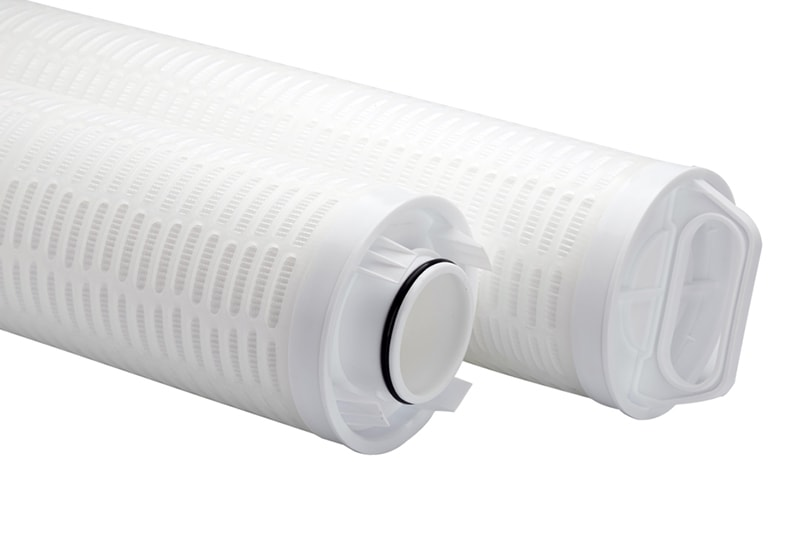
- The Challenge: Pall uses a proprietary "Inside-Out" flow path with a unique large-bore open end cap.
- The Retrofit Solution:
- Geometry: A Tier-1 replacement uses the same Laid-Over Pleating technology. This is critical. If you replace a Pall Ultipleat with a standard "Fan Pleat" filter, you will lose 40% of the surface area and kill your flow rate.
- The Seal: Look for the "U-Cup" or O-ring seal on the header. It must match the Pall housing’s sealing surface perfectly.
- The Length: Standard sizes are 20", 40", and 60".
Cross-Reference Key:
If you use: HFU640GF050 (Pall 60", Glass Fiber, 5 micron).
Look for: A replacement specifying "Pall HFU Series Compatible" with Laid-Over Media and Glass Fiber material. Do not accept Polypropylene if your application requires Glass Fiber (e.g., Amine).
3. Replacing Parker MegaFlow™ & ParMax™
Parker’s large diameter filters are workhorses in high-capacity water systems.
- The Challenge: These filters typically use an "Inside-Out" flow (trapping dirt inside) and have a very specific top-sealing mechanism.
- The Retrofit Solution:
- The O-Ring: The critical detail is the Single O-Ring (Size 435 or similar) located near the top flange. The replacement must have the exact same O-ring placement to engage the housing bore.
- The "Twist": Ensure the replacement end cap handles are robust. Parker housings often require a push-and-twist motion. Flimsy handles on cheap replacements will snap off.
Cross-Reference Key:
If you use: MHC-40-5-A (MegaFlow 40", 5 micron).
Look for: "Parker MegaFlow Compatible" with a 6-inch diameter and Internal O-ring Seal.
4. The "No-Go" Zone: When NOT to Switch
As an honest broker, I will tell you when not to switch.
- Regulatory Lock: If your process is validated (e.g., Pharmaceutical FDA or Nuclear), and the validation specifically names the OEM part number, switching requires a painful re-validation process. In 99% of Industrial/Water applications, this is not an issue.
- Exotic Materials: If the OEM filter uses a proprietary, exotic gasket material (e.g., Encapsulated Teflon) for extreme chemical resistance, ensure your supplier can match it. Standard EPDM/Viton might fail.
5. Validation Steps for the Skeptic
Don’t trust; verify. When testing a new replacement brand, perform this 3-step check:
- The "Dry Fit": Insert the filter without water. Does it seat firmly? Does the locking tab engage?
- The "Bypass Test": Run the system. Check the downstream turbidity. It should match the OEM performance immediately.
- The "Weight Check": Weigh the dry OEM filter vs. the Replacement. They should be within 10% of each other. If the replacement is much lighter, it lacks media area.
—Substitution Specification Comparison List
Conclusion: Compatibility is a Science
The days of proprietary "black box" filtration are ending.
The interfaces (End Caps and O-rings) are standard engineering dimensions.
You have the right to choose based on Performance and ROI, not because you are forced to buy a part number.
👇 Discussion: What is the longest lead time you have ever faced for an OEM filter order?
https://ecofiltrone.com/pall-replacements/