🛡️ From High TSS to Low TDS: Why the "Police Filter" is the Guardian of Your RO System
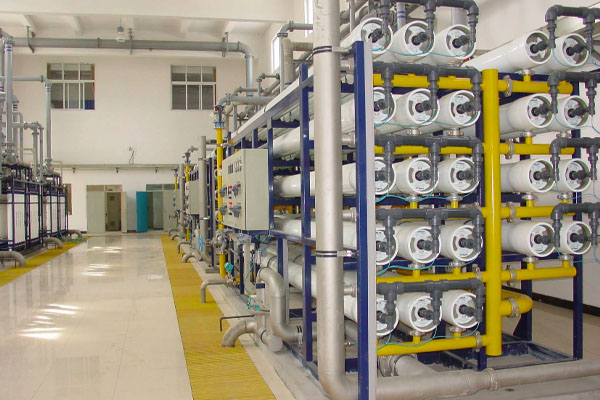
I have collaborated extensively with people who design and troubleshoot reverse osmosis (RO) systems. I’ve seen many factory RO systems fail, with membranes damaged in just a few weeks, leading to soaring electricity bills.
When we analyze the root cause of these failures, it rarely starts with the RO membrane itself. It starts upstream.
There is a common misconception in the field: "The RO system is responsible for water quality."
The reality is: The Pre-treatment is responsible for the RO’s survival.
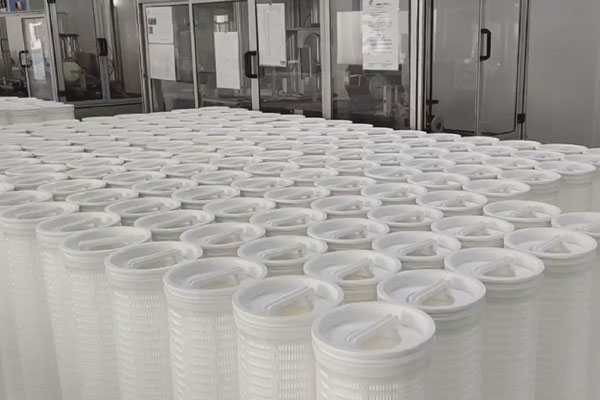
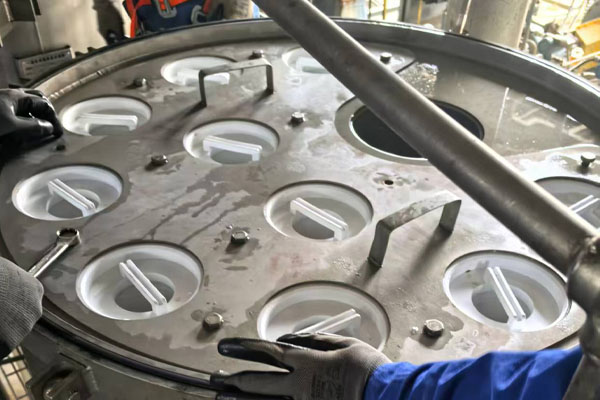
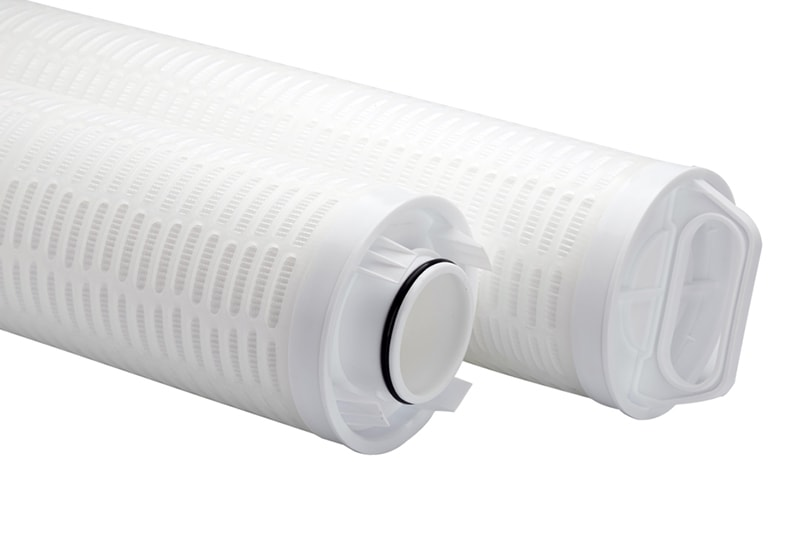
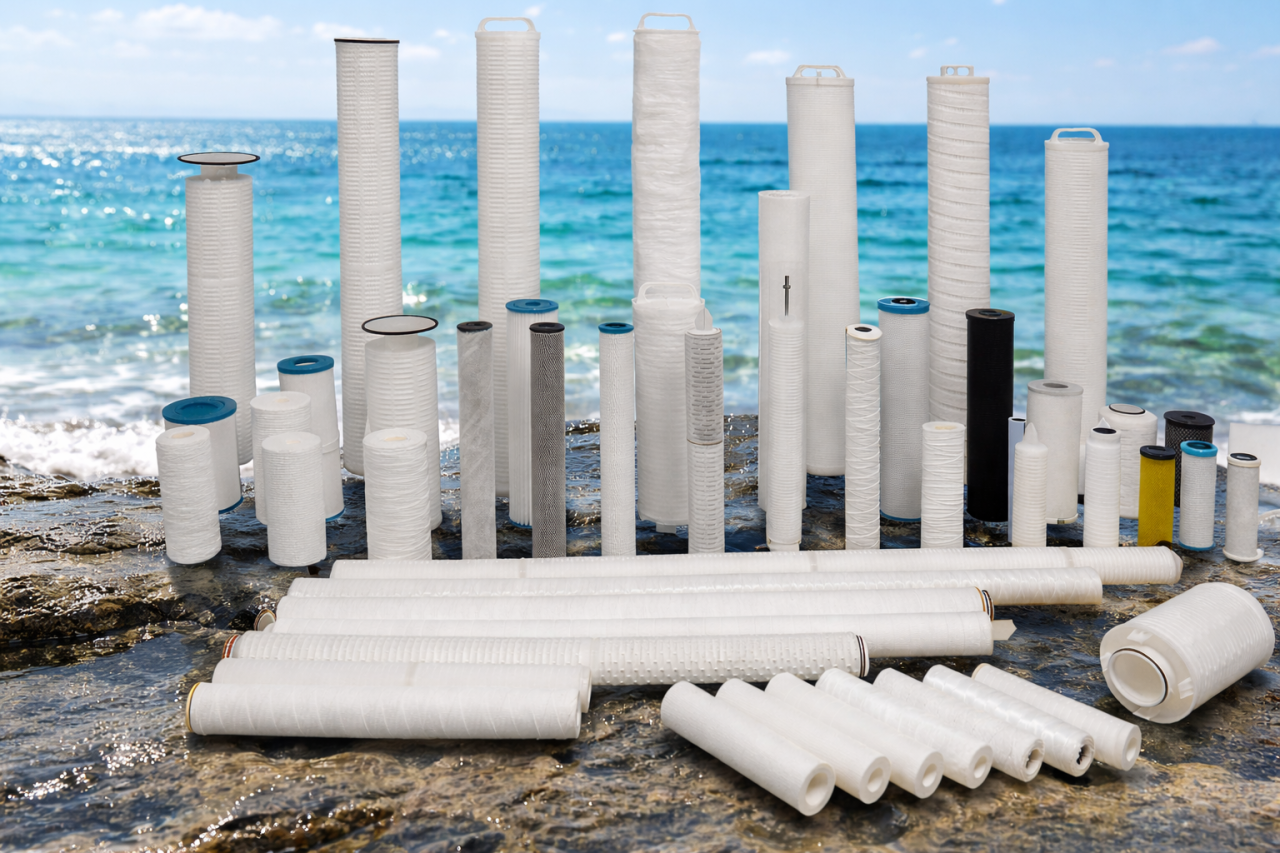
Today, let’s walk through the journey of a water molecule—from a dirty, high-TSS stream to a pure, low-TDS product—and explain why the High Flow Cartridge Filter (the "Police Filter") is the single most critical checkpoint in this process.
1. The Enemy: TSS and The "Invisible" Silt
Raw water (seawater, brackish, or wastewater) is loaded with Total Suspended Solids (TSS).
While Multi-Media Filters (Sand) do the heavy lifting, they are not perfect. They suffer from "breakthrough" during pressure surges.
- The Threat: If these microscopic particles (silt, colloids, silica) pass through, they don’t just float; they coat.
- The Metric: We don’t just measure TSS; we measure SDI (Silt Density Index). If your SDI > 3.0 enters the High Pressure Pump, you are asking for trouble.
2. The Misconception: Filters vs. TDS
Let’s be technically precise. A cartridge filter does not remove TDS (Dissolved Solids like salt). That’s the RO’s job.
However, bad filtration CAUSES high TDS. How?
If your "Police Filter" fails to capture the TSS:
- Fouling: The membrane surface gets covered in a cake layer.
- Concentration Polarization: This layer traps salts near the membrane surface.
- Performance Drop: The membrane loses its ability to reject salts efficiently. The Salt Passage increases, and your Product TDS spikes.
So, while the filter doesn’t remove the salt, it protects the mechanism that does.
3. Why High Flow Cartridges are the Superior "Police"
In the past, we used dozens of standard 2.5" melt-blown filters. But for modern, large-scale systems, this is a stability risk.
https://ecofiltrone.com/pall-replacements/
- Seal Integrity: A vessel with 100 small filters has 200 potential O-ring leak paths. A High Flow vessel with 5 filters has only 5. Fewer leak paths = Higher Safety Factor.
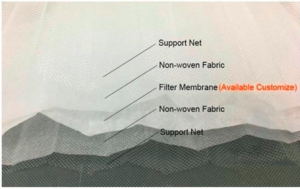
- Structural Rigidity: When the "Crud Burst" hits (e.g., after a sand filter backwash), standard filters can deform or bow. High Quality High Flow filters, with their rigid outer cages and thermally welded cores, withstand the differential pressure ($\Delta P$) without releasing the captured dirt.
4. The Bottom Line: System Stability
As a system designer, my goal isn’t just "clean water." It is Predictability.
- I want a predictable SDI entering the RO.
- I want a predictable pressure drop curve.
- I want to minimize CIP (Clean-In-Place) frequency for the client.
Installing a robust High Flow filtration stage is the cheapest insurance policy you can buy. It ensures that your expensive High Pressure Pump and RO Elements operate in a safe, clean environment.
Conclusion
Don’t treat your cartridge filters as a commodity. Treat them as the Gatekeepers. If the Gatekeeper sleeps, the Kingdom (your RO system) falls.
👇 Discussion: What is the maximum SDI level you allow into your RO system? Do you stop at 3.0 or push it to 5.0?