High Flow Cartridges vs. FRP Housings: Ensuring Compatibility in Corrosive Environments
You’ve invested in FRP housings for corrosion resistance, but a mismatched filter can still cause leaks and system failure. This oversight wastes your investment and risks costly downtime.
Yes, you can ensure compatibility by verifying three things: the cartridge’s end cap style (plug-in vs. twist-lock), the O-ring material’s chemical resistance, and the exact dimensional match between the cartridge and the housing’s seal plate.
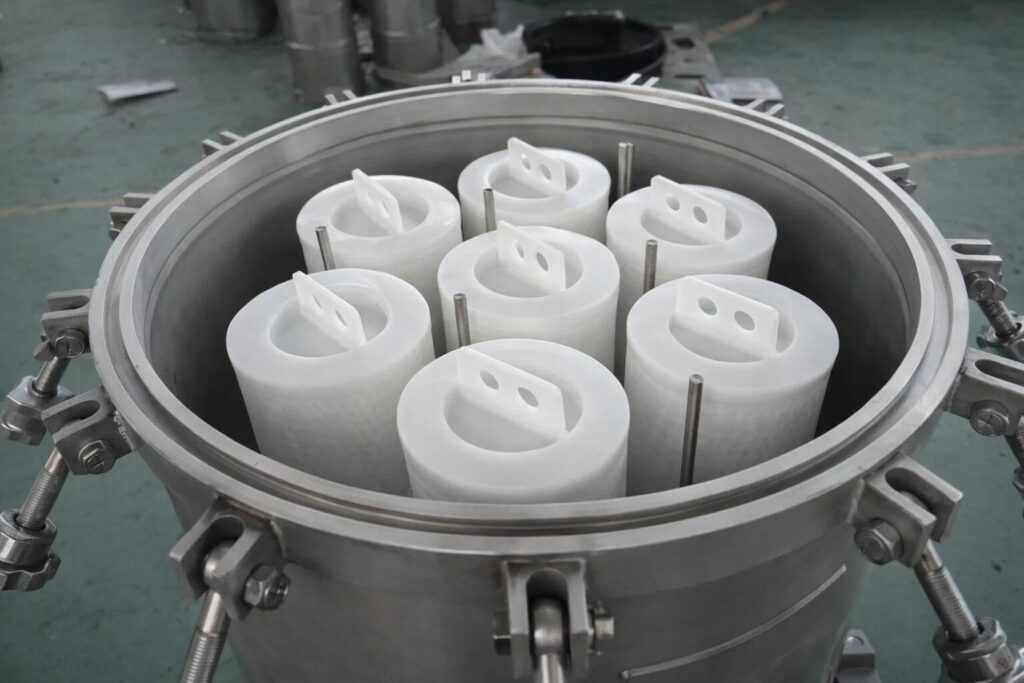
I remember a project at a chemical plant where they had top-of-the-line FRP housings but kept experiencing bypass issues. They were using high flow cartridges that were the right length and diameter, but the seal just wouldn’t hold under pressure. The problem wasn’t the quality of the housing or the filter; it was a simple mechanical mismatch in the end cap design. It was a messy and expensive lesson for them, and it taught me that compatibility goes much deeper than the basic specs on a data sheet. Let’s break down what really matters to prevent this from happening to you.
Does the Filter End Cap Style Really Matter for a Secure Seal?
You assume a 6-inch diameter filter will fit any 6-inch housing. But a mismatched end cap design means you won’t get a proper seal, leading to bypass and failure.
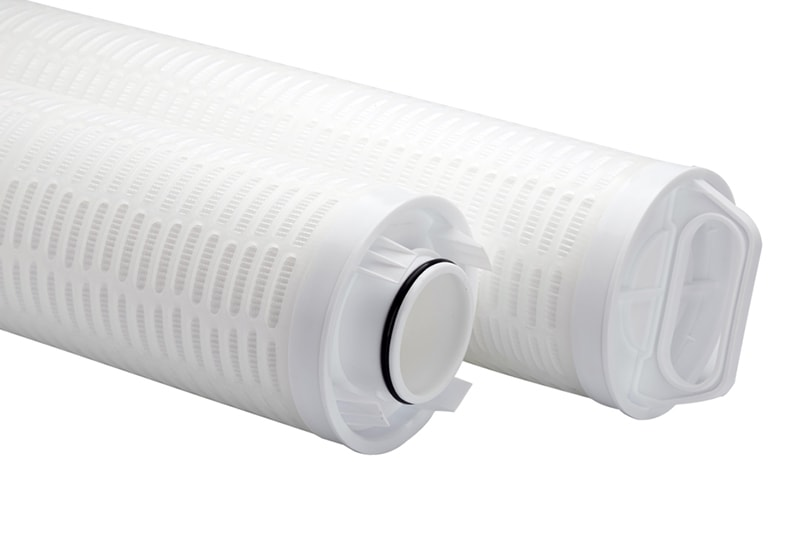
Yes, the end cap style is critical. FRP housings use specific sealing plates designed for either a plug-in style or a twist-and-lock style. Using the wrong one will prevent a leak-proof seal, no matter the other dimensions.
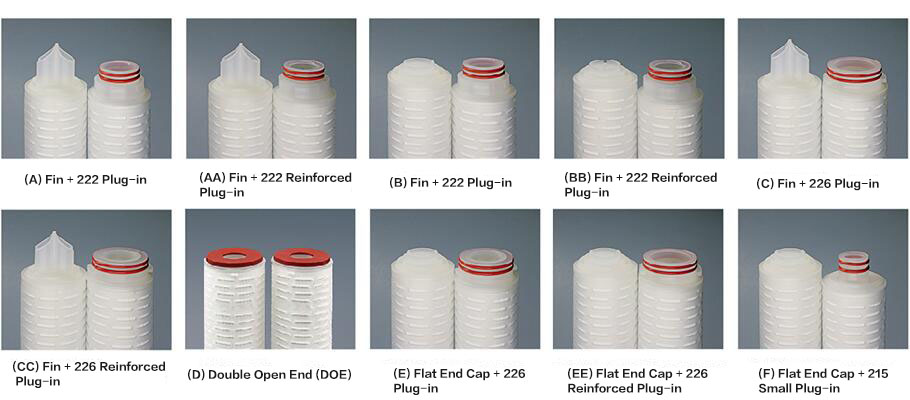
When I started my career, I thought all high flow filters were more or less the same. I quickly learned this was a big mistake. The most common error I see engineers make is ordering a filter based only on its length and diameter. The mechanical interface between the cartridge and the housing’s sealing plate is just as important. There are two dominant designs in the industry, and they are not interchangeable. Trying to force a twist-lock filter into a housing designed for a plug-in cartridge is like trying to fit a square peg in a round hole. It might seem to fit, but it will never create the robust seal needed to prevent bypass, especially under the high flow rates these systems operate at.
Two Dominant Designs, Zero Interchangeability
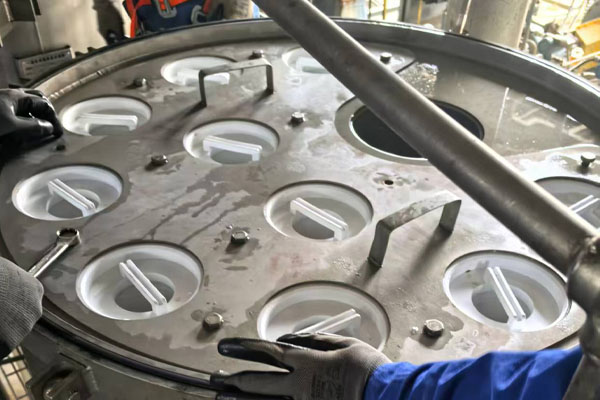
The design of the housing’s internal tube sheet or seal plate dictates which style you must use.
| End Cap Style | Sealing Mechanism | Common Housing Design | Key Feature |
|---|---|---|---|
| Plug-In | Pushes directly into a receptacle. Seal is made by O-ring compression. | Pall-style housings. | Simple, fast installation. |
| Twist-and-Lock | Inserts and rotates to engage locking tabs. | Pentair Aqualine / Suez-style housings. | Mechanical lock prevents movement. |
Before you place an order, always open your housing and confirm which design your seal plate uses. This simple check can save you from a major installation headache and system failure.
Is Your O-Ring the Weakest Link in a Corrosive System?
You have an FRP housing and a compatible filter. But if the standard O-ring degrades from chemical attack, your entire system’s integrity is compromised, leading to dangerous leaks.
Yes, the O-ring is often the first point of failure. In corrosive environments, a standard EPDM or Buna-N seal will quickly fail. You must select an O-ring material, like Viton™ (FKM), that is chemically compatible with your specific process fluid.
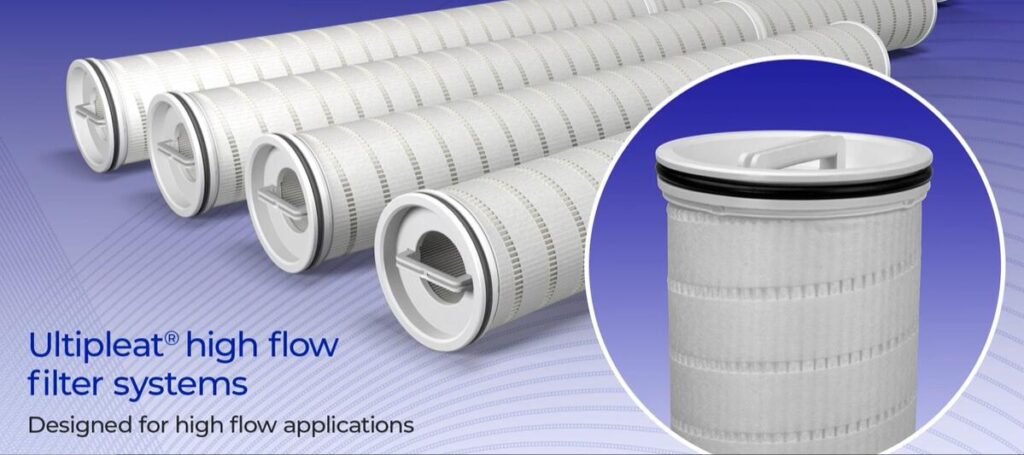
An FRP housing is an excellent choice for handling aggressive chemicals like strong acids or seawater in desalination plants. It provides a robust, non-corroding barrier. But that barrier is only as strong as its weakest point, which is often the small elastomeric O-ring that seals the filter cartridge. I once consulted for a facility using concentrated hydrochloric acid. They correctly chose FRP housings but used filters with the standard EPDM O-rings. Within weeks, the O-rings became brittle and cracked, causing acid to leak. It was a serious safety incident. The filter body and housing were fine, but the wrong seal material put the whole operation at risk. This is why material selection is not just an option; it is a critical safety requirement.
Choosing the Right Seal for Your Chemical
Always check a chemical compatibility chart, but here is a general guide.
| O-Ring Material | Common Use | Corrosive Environment Suitability |
|---|---|---|
| Buna-N (Nitrile) | Oils, fuels, hydraulic fluids. | Poor: Fails with acids, ozone, and ketones. |
| EPDM | Water, steam, mild chemicals. | Poor: Not suitable for most solvents or concentrated acids. |
| Viton™ (FKM) | Acids, fuels, solvents, high temp. | Excellent: Wide range of chemical resistance in corrosive applications. |
Never assume the default O-ring is sufficient. Always specify the material based on the chemicals you are filtering.
Can a Small Dimensional Mismatch Cause a Major System Failure?
You’ve got the right end cap and O-ring. But you’re worried that a filter from a new supplier won’t have the exact tolerances, causing a loose fit and gradual bypass.
Yes, even a small dimensional error in the end cap’s sealing surface can lead to a complete failure. A reliable supplier must use precision molding and strict quality control to guarantee their dimensions match the original equipment manufacturer’s specifications.
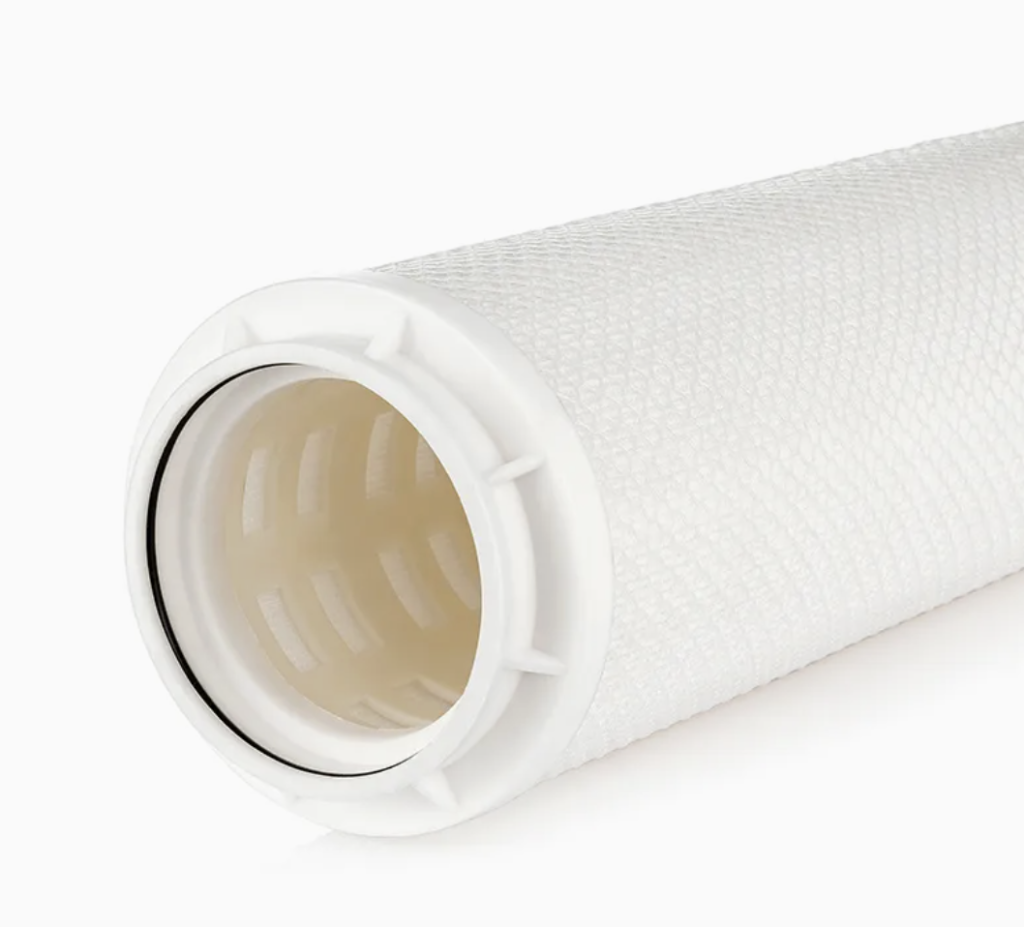
This is where manufacturing quality really comes into play. After confirming the end cap style and O-ring material, the final piece of the puzzle is dimensional accuracy. The part of the end cap that the O-ring sits on, and the part that interfaces with the housing’s seal plate, must be manufactured to very tight tolerances. If these surfaces are even slightly off, the O-ring will not compress correctly. It might be too loose, allowing a slow leak that gradually fouls your downstream process. Or it might be too tight, causing the O-ring to get pinched or damaged during installation. I always recommend working with suppliers who can provide quality assurance documentation and offer a fit guarantee. It shows they have invested in the precision molding required to replicate the original filter’s design perfectly.
The Critical Dimensions for a Perfect Seal
- O-Ring Groove Diameter & Depth: Ensures the O-ring is held in place and compressed by the correct amount.
- End Cap Sealing Diameter: This surface pushes against the housing plate; it must be exact to create uniform pressure on the seal.
- Overall Cartridge Length: Ensures the cartridge is held firmly in place between the top and bottom plates of the housing, preventing movement.
A fit guarantee from your supplier isn’t just a marketing promise; it’s their commitment to manufacturing excellence.
Conclusion
Ensure compatibility in corrosive environments by verifying end cap style, selecting the right O-ring material, and confirming precise dimensions. This protects your investment, prevents leaks, and ensures system reliability.