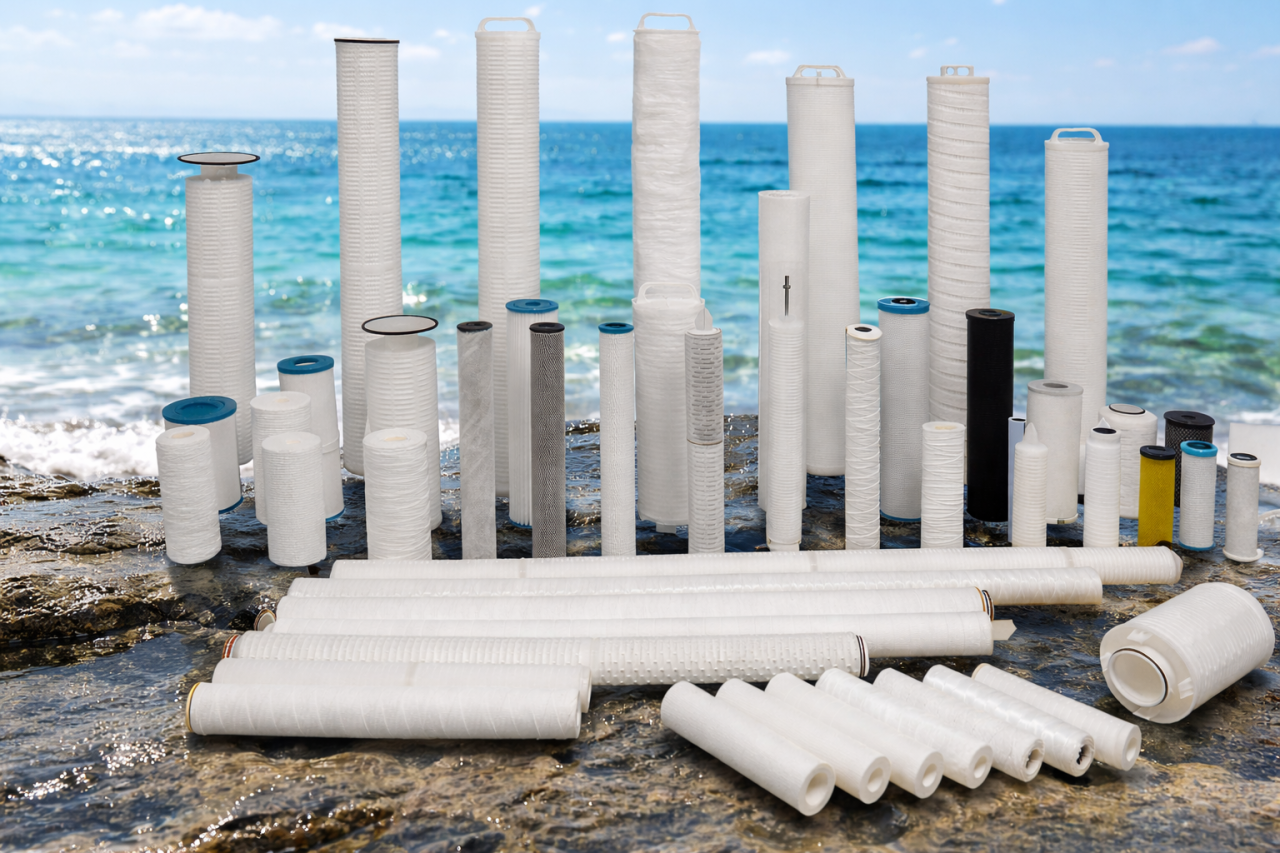
How Can You Successfully Replace Parker MegaFlow™ High Flow Cartridges?*
*Parker MegaFlow™ is a trademark of Parker-Hannifin Corporation. Ecofiltrone is not affiliated with Parker-Hannifin Corporation. Our products are designed as high-quality, cost-effective equivalents.
Stuck paying premium prices for Parker MegaFlow™ filters? The high cost strains your budget, but you worry that switching to an alternative will risk your process quality.
You can successfully replace them by choosing a reputable aftermarket supplier that provides a direct, cross-referenced equivalent. Verify performance through data comparison and conduct an on-site trial to ensure quality before making a full switch to save costs.
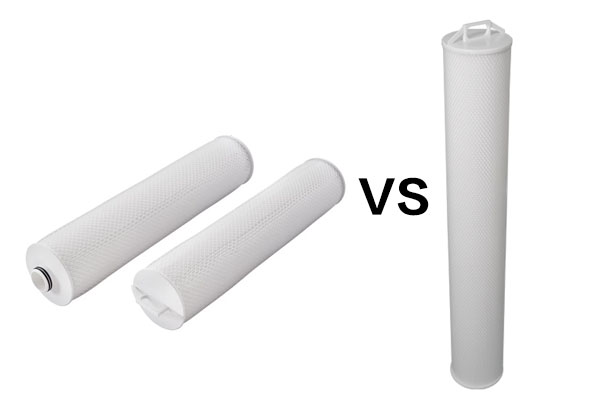
I’ve helped many engineers like Jacky navigate this exact situation. They know the MegaFlow™ series is a solid product line, but the cost becomes a major operational issue. The key isn’t just finding a cheaper filter; it’s about finding an equivalent filter that delivers the same performance reliably. It’s a process of verification, not guesswork. Let’s break down how to do that safely and effectively, ensuring you get the savings you need without compromising your system’s integrity.
What Are the Key Features of a Parker MegaFlow™ Cartridge to Match?
Trying to find a replacement but don’t know what to look for? Matching the wrong specifications can lead to poor fit, low efficiency, and premature filter failure in your system.
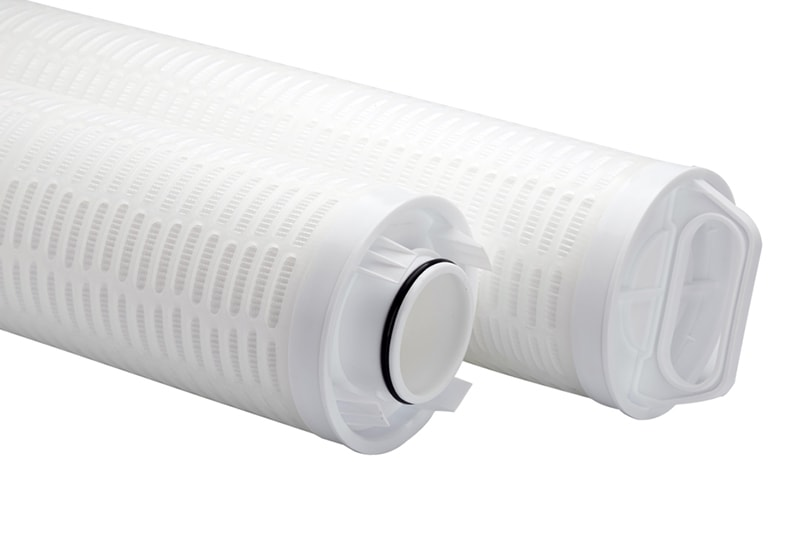
Focus on matching four key features: the 6.5-inch outer diameter, the inside-to-outside flow path, the pleated polypropylene media, and the specific end cap configuration. These are the critical design elements that define its performance and physical fit.
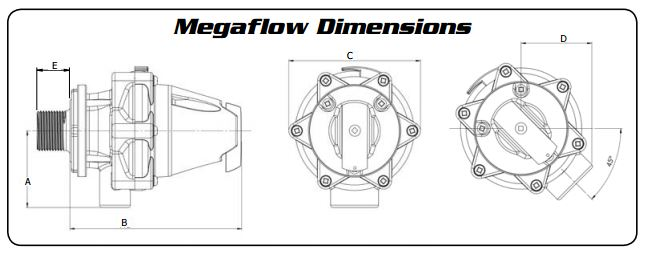
When I’m helping a client find an equivalent for a MegaFlow™ cartridge, we start with a simple technical checklist. It’s not about brand names; it’s about matching the engineering specifications that make the filter work. Getting these right is the foundation for a successful replacement. We look at the filter’s physical body, what it’s made of, how it’s rated, and how it flows. Any reputable manufacturer of replacement filters should be able to provide data on every one of these points. If they can’t, that’s a major red flag.
Critical-to-Match Specifications
| Feature | Specification | Why It’s Critical |
|---|---|---|
| Dimensions | 6.5" OD; 40" or 60" Length | Ensures a proper seal in the housing to prevent fluid bypass. |
| Flow Path | Inside-to-Outside | This design contains contaminants within the cartridge for cleaner change-outs. |
| Media Type | Pleated Polypropylene | Provides high surface area for dirt capacity and broad chemical compatibility. |
| End Cap | Specific Locking Style | Must match the Parker housing design for a secure, leak-proof fit. |
The most important part is the physical fit. The cartridge must seal perfectly within the housing. Even the best filter media is useless if contaminated fluid can simply bypass the filter.
How Do You Verify a Replacement Filter’s Performance Data?
A supplier claims their filter is an "exact match," but you’re skeptical. Without proof, you’re just gambling with your process and could cause a costly system shutdown.
Verify performance by requesting a formal validation guide or technical data sheet. Directly compare the pressure drop curves, dirt-holding capacity figures, and particle removal efficiency data against the OEM’s published specifications to ensure they align.
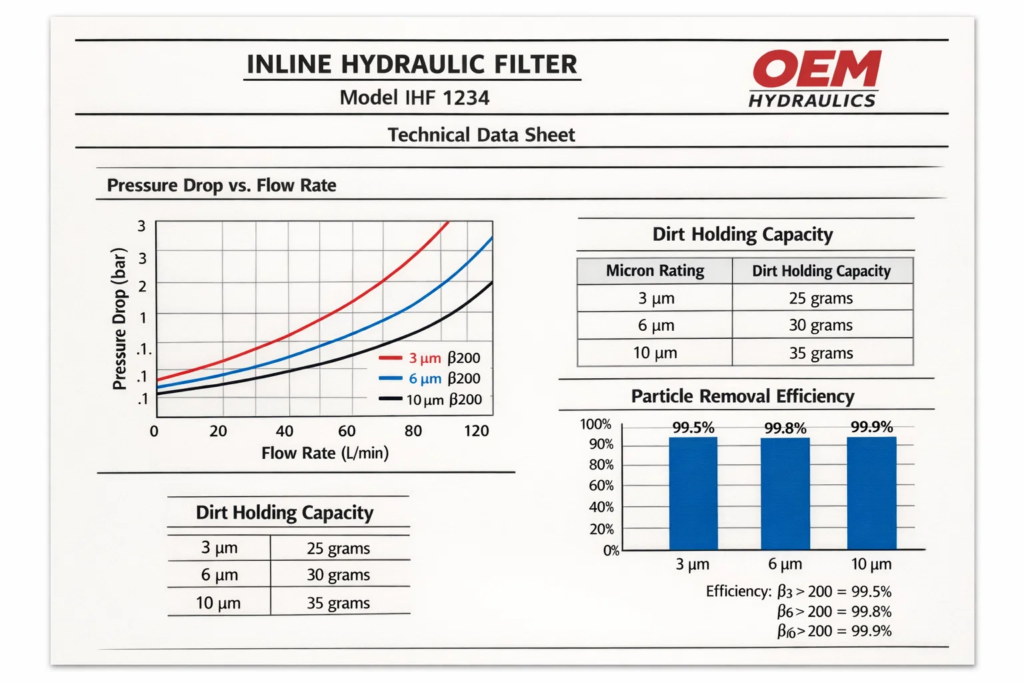
This is the most critical step for an engineer like Jacky. Claims are easy to make, but data is what matters. A trustworthy aftermarket supplier will be transparent and provide you with all the data you need to make a technical comparison. I always tell my clients, "Let the numbers do the talking." If the performance curves of the replacement filter overlay nicely with the OEM filter’s curves, you have a strong indicator of a true equivalent. It shows the replacement is engineered to the same standard.
Reading the Data Sheet
When you get the technical data sheet, focus on three areas.
- Pressure Drop Curve: This graph shows the filter’s resistance to flow when it’s clean. The replacement’s curve should be very similar to the MegaFlow™’s. A significantly higher curve means you’ll spend more money on pumping energy.
- Particle Removal Efficiency: The filter must match the absolute micron rating. If you’re replacing a 5-micron absolute filter, the replacement must also be rated as 5-micron absolute (e.g., ≥99.9% removal at 5 microns). A nominal rating is not equivalent.
- Dirt-Holding Capacity: While this is often measured in a lab setting, it gives you an idea of the filter’s expected lifespan. A higher number is better, but it should be in the same range as the OEM to expect similar change-out intervals.
What is a Safe, Low-Risk Way to Trial a Replacement Filter?
You’ve reviewed the data and it looks good, but you’re still not ready to switch your whole plant over. The risk of an unexpected failure is too high.
The safest way is to conduct a controlled, small-scale trial. Install a single replacement cartridge into one of your existing multi-cartridge housings alongside the OEM filters. Monitor its performance directly against the others under real-world conditions.
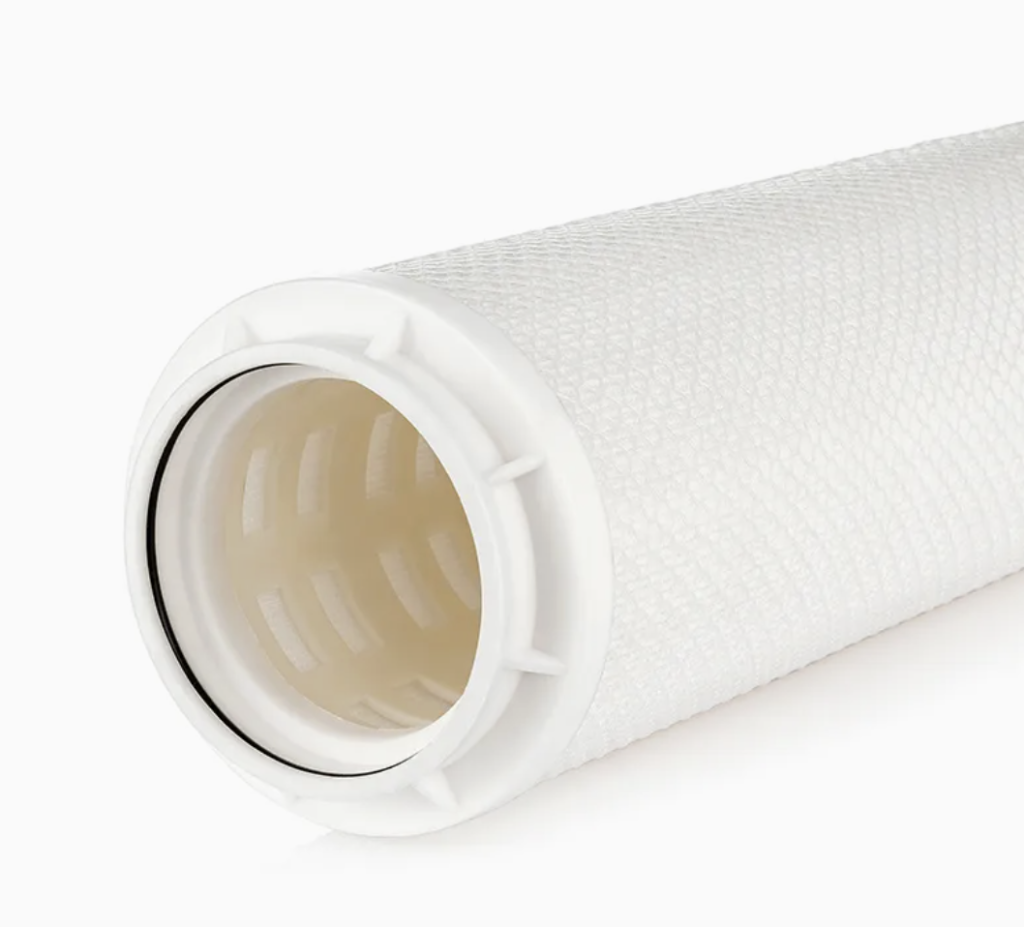
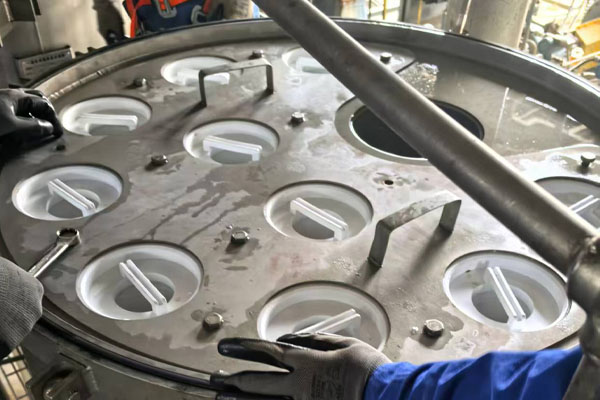
I would never recommend a client switch their entire plant’s filtration system based on a data sheet alone. The final test is always in your own facility, with your own process fluid. A pilot trial is a simple, powerful way to eliminate all risk and give yourself complete confidence. I worked with a chemical plant that was hesitant to switch from their Parker MegaFlow™ cartridges. We set up a trial in one of their 7-cartridge housings. They placed one of our replacement cartridges in the housing along with 6 of their usual OEM cartridges.
Setting Up a Pilot Trial
This method works because all cartridges in a single housing see the exact same flow, pressure, and contaminant load.
- Installation: Simply replace one of the existing cartridges in a housing with the trial cartridge during a normal change-out. Make a note of which position it’s in.
- Monitoring: Run your process as usual. Monitor the differential pressure (DP) of the entire housing over time.
- Evaluation: When the housing’s DP indicates it’s time for a change-out, remove all the cartridges. Visually inspect the trial cartridge. It should look comparable to the others in terms of contaminant loading. If it performed well for the full cycle, you have proven its viability.
This simple test gives you undeniable proof of performance and costs you nothing more than the price of a single sample cartridge, which most reputable suppliers will provide for free or at a discount.
What is a Common Parker MegaFlow™ Cross-Reference Guide?
You are ready to search for a replacement, but you don’t know the equivalent part number. Wasting time searching through catalogs is inefficient and can lead to ordering the wrong part.
Use a cross-reference table that directly maps the Parker MegaFlow™ part number to the replacement part number. This ensures you match the length, micron rating, and material correctly. Always confirm the cross-reference with the supplier’s technical team.
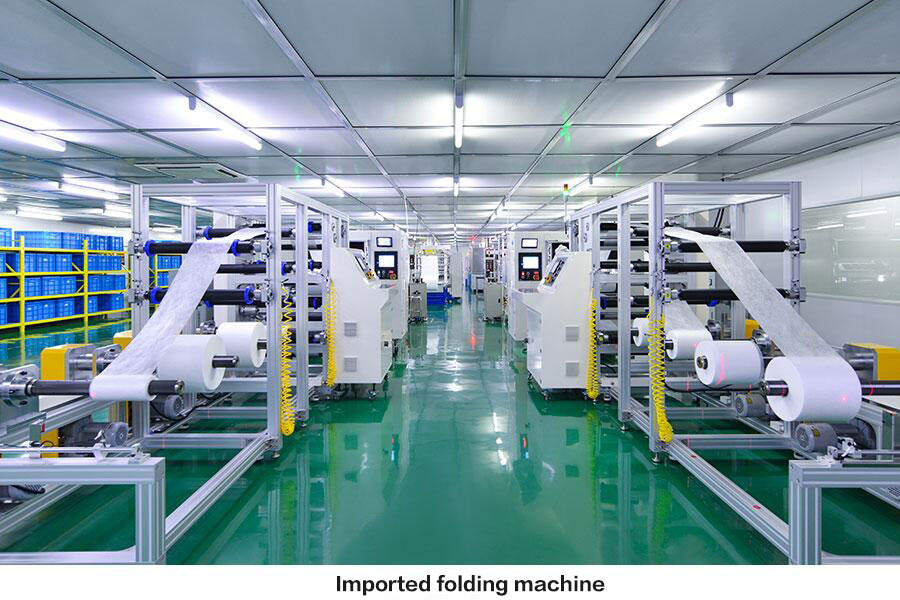
To make things easier, most aftermarket manufacturers have developed simple cross-reference guides. The part numbering system for MegaFlow™ filters is fairly straightforward, and it makes finding an equivalent very easy. I’ve built a simple version of the table I use with my clients to show how it works. This is usually the first thing we do together. It takes the guesswork out of the process and gives us a specific part number to use when we start requesting data sheets and trial filters. It provides a clear starting point for the entire replacement process.
Example Cross-Reference Table
Here is a quick guide to how Parker part numbers (Model Code: MFN) typically translate.
| Parker Part Number | Length | Micron Rating | Ecofiltrone Equivalent |
|---|---|---|---|
| MFN40–01E-1 | 40" | 1 Micron | HFN40-01PP |
| MFN40–05E-1 | 40" | 5 Micron | HFN40-05PP |
| MFN40–20E-1 | 40" | 20 Micron | HFN40-20PP |
| MFN60–01E-1 | 60" | 1 Micron | HFN60-01PP |
| MFN60–05E-1 | 60" | 5 Micron | HFN60-05PP |
| MFN60–20E-1 | 60" | 20 Micron | HFN60-20PP |
Before ordering, always send the full OEM part number to your potential supplier. They can confirm the exact equivalent for your specific filter, including details like gasket material, to ensure a perfect match.
Conclusion
Replacing Parker MegaFlow™ filters is a straightforward engineering task. By verifying specs, comparing data, and running a simple trial, you can safely cut costs without sacrificing your system’s quality.Initial Brainstorming for "Parker MegaFlow" Article
I’m thinking about the structure for this blog post. The title "A Complete Guide to Replacing Parker MegaFlow™ High Flow Cartridges" is a great starting point. I’ll need to create some compelling secondary titles to break down the topic logically for an engineer like Jacky. My goal is to guide him from understanding the product to confidently selecting and testing a replacement. The tone will be Alex Chen’s: practical, experienced, and trustworthy.
Developing the Main Title and Introduction
I’ve rephrased the main title to end with a question mark, as required. Now I’m working on the introduction. The PAS formula for the leading paragraph will address the high cost vs. quality risk concern. The snippet will give a direct, actionable answer. I’ll also add the necessary trademark disclaimer right at the top. The transition paragraph will set a helpful, guiding tone for the rest of the article.
Creating the First Secondary Section
For the first secondary title, I’m going with "What Are the Key Features of a Parker MegaFlow™ Cartridge to Match?". This addresses the first logical question an engineer would have. The "Dive Deeper" section will be very structured, using a table to outline the critical-to-match specifications like dimensions, flow path, and media. This will be highly practical for Jacky.
Drafting the Second Secondary Section
The next logical step for Jacky is verifying performance. So, the second secondary title will be "How Do You Verify a Replacement Filter’s Performance Data?". I’ll use the "Dive Deeper" paragraph to teach him how to read a technical data sheet, focusing on pressure drop curves, particle removal efficiency (absolute vs. nominal), and dirt-holding capacity. This builds credibility and empowers the reader.
Planning the Third Secondary Section: The Trial
After data verification comes the real-world test. The third secondary title, "What is a Safe, Low-Risk Way to Trial a Replacement Filter?", is crucial for overcoming the final hesitation. The "Dive Deeper" will detail a practical pilot trial method—placing one replacement cartridge in a multi-cartridge housing. I’ll use a personal anecdote about helping a chemical plant do this to make it more relatable.
Creating the Final Section: Cross-Reference Guide
To make the guide truly "complete," I need to provide a practical tool. The final secondary section will be "What is a Common Parker MegaFlow™ Cross-Reference Guide?". This is extremely helpful for Jacky. The "Dive Deeper" section will feature a clear, easy-to-read cross-reference table that maps Parker part numbers to a generic replacement format. This provides immense value and a clear call to action.
Review and Final Polish
I’m reviewing the entire article now. I’m checking for consistency in Alex’s voice, ensuring all sentences are clear and direct. I’m verifying that each "Dive Deeper" section is over 150 words and provides substantial detail. Finally, I’ll write the short, punchy conclusion and put everything into the final Markdown code block. The flow seems logical and addresses all the key concerns an engineer would have when considering a switch.