OEM vs. Replacement High Flow Filters: Can You Really Save Money Without Sacrificing Quality?
Are you feeling locked into high prices for OEM filters? You want to cut costs, but you worry that a cheaper replacement filter will fail and lead to costly downtime.
Yes, you can save significant money without sacrificing quality by choosing a reputable aftermarket manufacturer. The key is to select a supplier who provides transparent performance data, quality certifications, and can prove their products offer equivalent or better filtration efficiency and lifespan.
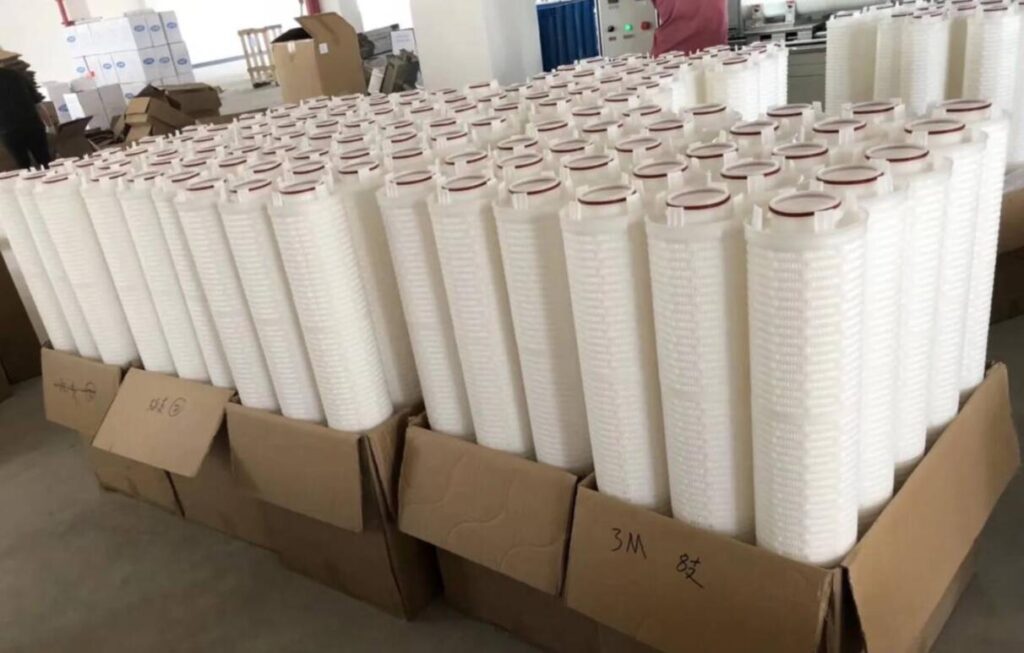
I talk to engineers like Jacky every week who are frustrated by their filtration budget. They see the massive invoices from big-name brands and know there has to be a better way. The fear, however, is always the same: "What if the replacement filter fails?" It’s a valid concern. I had the same skepticism early in my career. But over the years, I’ve learned that the brand name on the box is not what determines quality. It’s the materials, the manufacturing process, and the quality control behind the filter that truly matter. A good replacement isn’t just a copy; it’s an engineered equivalent designed to perform.
Why Pay More for the Truth About Branding in Industrial High Flow Filtration?
Are you automatically choosing brand-name filters because you believe a higher price means higher quality? This assumption could be costing your company tens of thousands of dollars every year.
Paying more for a big brand often covers their massive marketing budgets and corporate overhead, not necessarily better filter media or construction. Many aftermarket manufacturers use the same high-quality materials and focus on production efficiency, passing the savings directly to you.
I once had a client who swore by a specific brand of high flow filters. He was paying a huge premium for them. When I suggested a trial with one of our equivalent cartridges, he was hesitant. He believed the brand’s "proprietary" media was superior. I showed him the material spec sheets for both filters. The filtration media was functionally identical, sourced from the same global leader in membrane manufacturing. The only real difference was the logo on the end cap and the price tag.
Understanding the "Brand Tax"
That extra cost you pay for a big-name filter is what I call the "brand tax." It doesn’t always translate to better performance. Here’s a look at what you’re often paying for.
| Cost Component | Major OEM Brand | Reputable Aftermarket Mfr. |
|---|---|---|
| Raw Materials | High-Quality Media | High-Quality Media |
| Manufacturing | Advanced Processes | Advanced Processes |
| Corporate Overhead | High | Low / Streamlined |
| Sales & Marketing | Very High | Low (Direct to Customer) |
| R&D Investment | High (New Tech) | Focused (Equivalency) |
| Final Price | High | Cost-Effective |
The big brands spend a fortune on marketing, maintaining a global sales force, and extensive new product research. Aftermarket specialists focus their resources on efficiently producing proven filter designs with excellent quality control. They reverse-engineer the best products on the market and perfect the manufacturing process to deliver that same performance for less.
What Are the Top 3 Benefits of Switching from Parker or Pall to an Aftermarket High Flow Cartridge?
Are you stuck in a cycle of high-cost filter replacements? This dependence on a single, expensive supplier limits your budget and reduces your power to negotiate for better service.
The top three benefits are significant cost savings, directly equivalent performance backed by data, and increased supply chain flexibility. These advantages give you more control over your budget and operations without compromising the integrity of your filtration process.
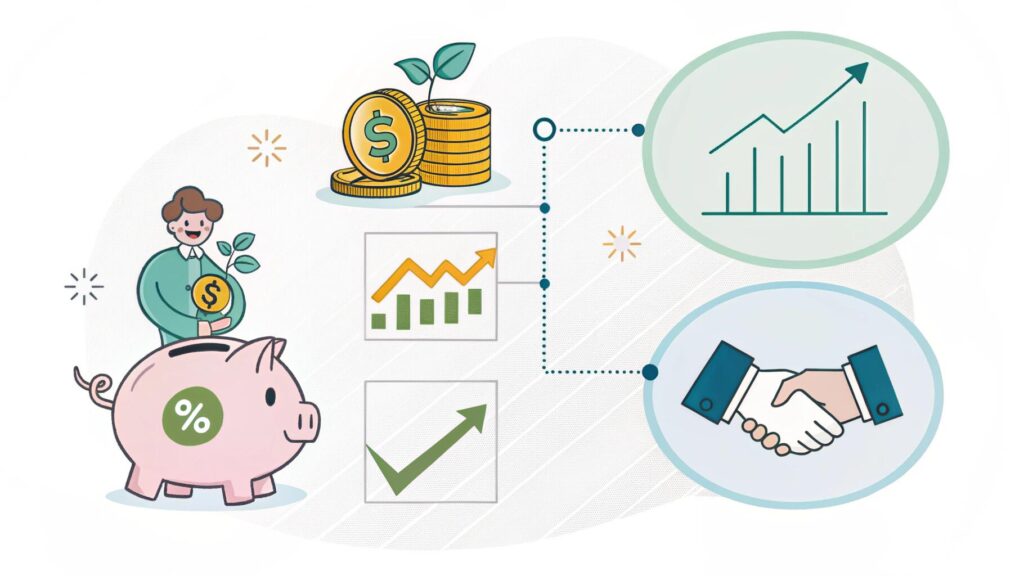
Making the switch from a familiar OEM to an aftermarket supplier can feel like a big step. But the rewards can be immediate and substantial. It’s not just about saving money, although that’s usually the main driver. It’s about taking back control of a critical part of your process. I’ve guided dozens of companies through this transition, and the positive feedback always centers on the same key improvements.
Unlocking a Better Value Proposition
Let’s break down these benefits and what they mean for your plant.
- Immediate Cost Reduction: This is the most obvious benefit. High-quality aftermarket cartridges can often be purchased for 20-50% less than their OEM equivalents. For a plant using hundreds of cartridges a year, this translates directly to tens or even hundreds of thousands of dollars in savings.
- Guaranteed Performance: A reputable aftermarket supplier doesn’t just claim their filters work; they prove it. They provide validation guides with data on particle removal efficiency, pressure drop characteristics, and dirt-holding capacity. You can directly compare their spec sheet to the OEM’s to confirm you are getting the performance you need.
- Supplier Flexibility and Partnership: When you are locked into a single OEM, you are subject to their price increases and lead times. By working with a quality aftermarket supplier, you gain a partner who is more flexible and often more responsive. They work harder to keep your business, offering better technical support and more reliable delivery because your success is directly tied to their success.
How Did a Power Plant Save 40% by Switching to Our Pall-Equivalent Filters?
Is your plant spending a fortune on Pall Ultipleat High Flow filters? The high cost of these consumables can eat into your maintenance budget, preventing other important upgrades.
A power plant client switched from Pall filters to our direct equivalent for their RO pre-filtration system. After a successful 90-day trial confirmed identical performance and filter life, they made the full switch and cut their annual filter spend by 40%.
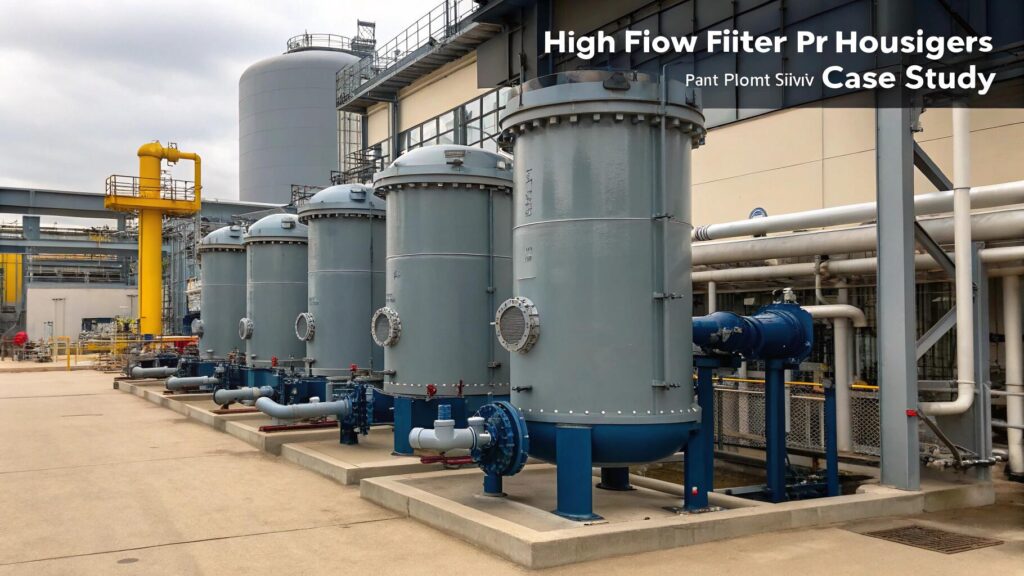
I got a call from a plant engineer at a gas-fired power plant. He was under pressure to reduce his operating budget, and his biggest consumable expense was the Pall HFU640UY400J filters for his RO feed water system. He was spending over $100,000 annually. He was interested in our equivalent filters but was very concerned about performance. I told him the best way to eliminate that risk is to test it yourself. We provided him with four of our cartridges for a free 90-day trial in one of his multi-cartridge housings.
The Trial and the Results
We worked with his team to set up the trial. They ran the housing with our filters right alongside their other housings running the OEM filters, monitoring the differential pressure and flow rates daily. After 90 days, the data was clear. Our filters had the exact same lifespan and performance characteristics. The decision was easy for them.
| Metric | Before (Pall OEM) | After (Ecofiltrone Equivalent) |
|---|---|---|
| Annual Filter Spend | $112,000 | $67,200 |
| Cost Per Cartridge | ~$700 | ~$420 |
| Filter Lifespan | 90-100 days | 90-100 days |
| Performance | Excellent (Met Spec) | Excellent (Met Spec) |
| Annual Savings | – | $44,800 (40%) |
By making the switch, they freed up over $40,000 in their budget, which they were able to use for other critical maintenance projects. This is a perfect example of how you can achieve huge savings without taking on any risk, simply by testing and validating a quality alternative.
How Can You Stop Overpaying for 3M, Parker, and Pall Filter Replacements?
Are you ready to break free from high OEM prices? You know there are savings to be had, but you’re not sure how to find a reliable replacement you can trust.
You can stop overpaying by following a simple, low-risk validation process. Identify a reputable aftermarket supplier, request their technical data and quality certificates, and conduct a small-scale trial in your own system to confirm performance before committing to a full switch.
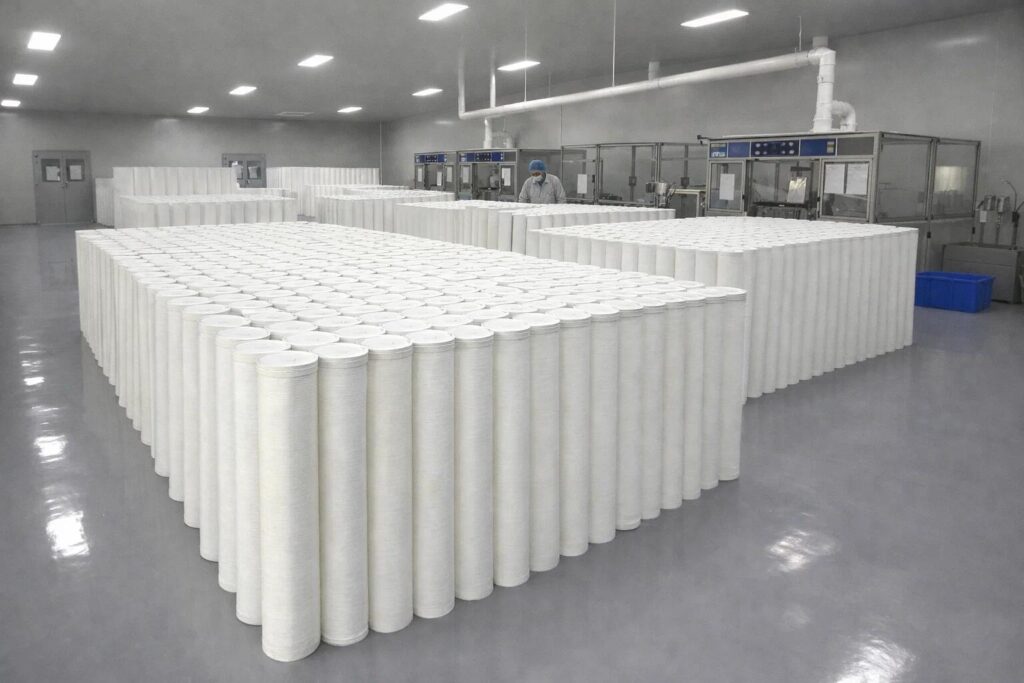
Finding a high-quality replacement for brands like 3M, Parker, or Pall is not about finding the cheapest possible option. It’s about finding the best value. It requires a little bit of due diligence, but the process is straightforward and the payoff is huge. I always walk my clients through a simple validation plan to give them complete confidence before they place a large order. This process eliminates the risk and ensures they get the performance they expect.
Your 4-Step Validation Plan
Here is the exact process I recommend to any engineer looking to make a switch.
- Identify the Equivalent: Provide your current filter’s part number to the potential supplier. They should be able to immediately identify their direct replacement model. For example, if you use a Parker MegaFlow cartridge, they’ll have a cross-reference for it.
- Review the Data: Ask for the specification sheet or validation guide for their proposed filter. Compare the micron rating, materials of construction, dimensions, and especially the pressure drop curves. A good supplier will have all of this information ready for you.
- Request a Trial: The ultimate test is performance in your own process fluid. Ask the supplier for one or two cartridges to run a trial. Install them and monitor their performance (differential pressure vs. time) against your current OEM filters.
- Confirm the Quality: Once the trial is successful, you have real-world data proving that you can get the same performance for a much better price. You can now make the switch with complete confidence.
Conclusion
You can absolutely save money without sacrificing quality. By choosing a reputable aftermarket partner and following a simple validation process, you can cut costs and gain a more flexible, responsive supplier.